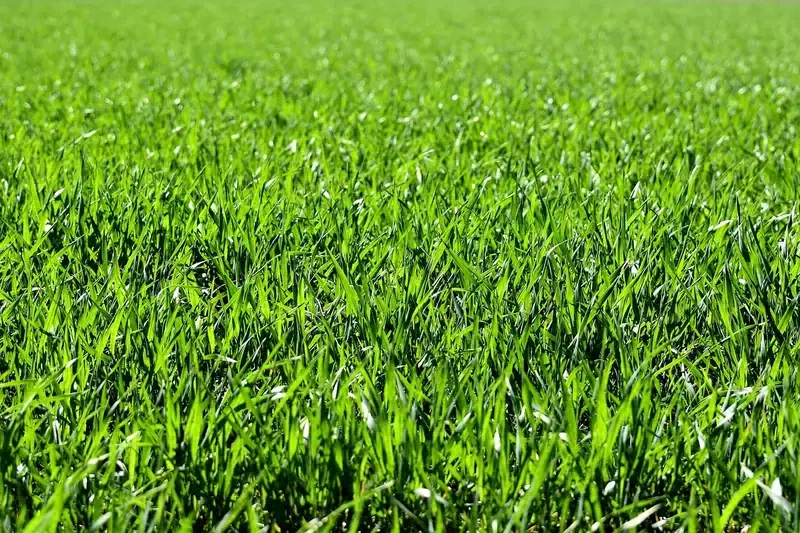


Fallen leaves are not all bad for a lawn. A light layer can be chopped into the grass and left to feed the soil. A thick, wet mat is a different story: it blocks sunlight, holds moisture against the blades and can leave dead patches behind.
Mulch a light layer
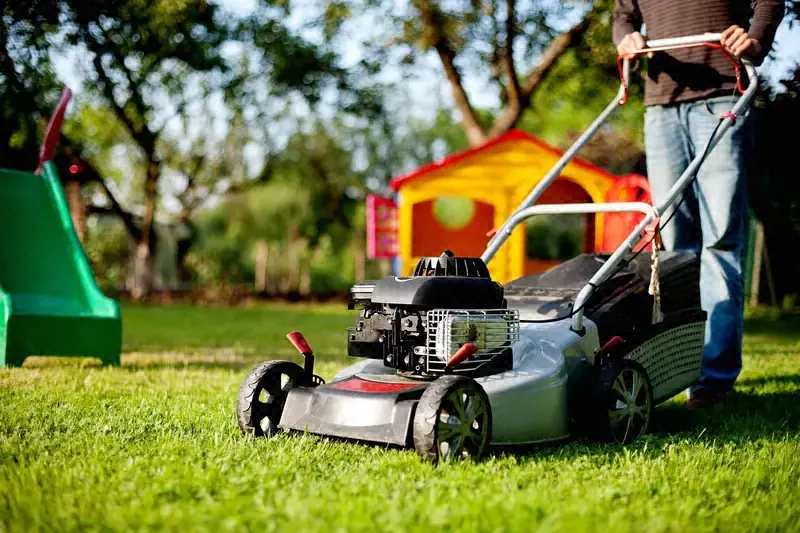
If you can still see grass between the leaves, run the mower over them. The blades chop the leaves into small pieces that settle down between the grass and break down over the next few weeks.
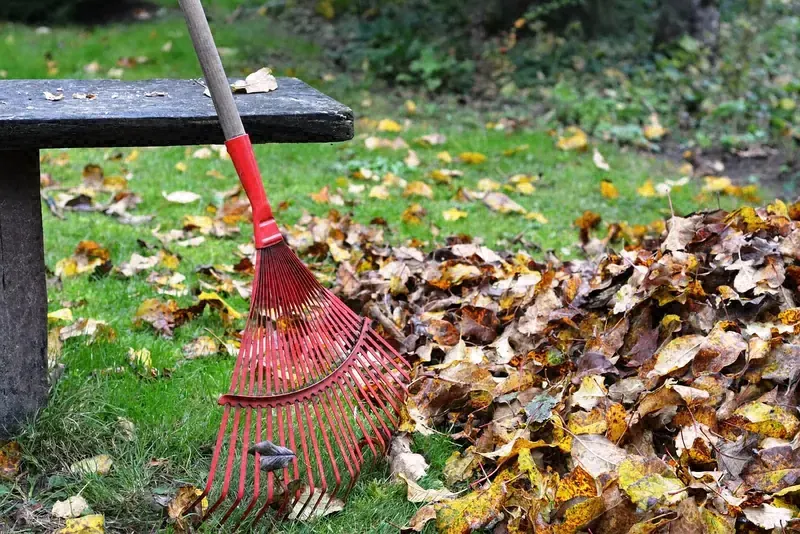
Rake or blow a heavy layer
When leaves cover the lawn completely, gather them up. Leave them too long and the grass under them thins out. Gathered leaves make good mulch for flower beds and around shrubs, or they can be bagged and hauled away.
Keep leaves and clippings out of the street
The UF/IFAS Florida-Friendly Landscaping program asks homeowners to keep leaves and grass clippings out of streets, gutters, and storm drains. Rain carries them into ponds, rivers and the bay, where they add nutrients that feed algae. Blow them back onto the lawn or into beds instead.
Storm cleanup
After a storm, clear limbs and debris before the next mowing. Branches hidden in the grass can damage a mower and throw debris. If the cleanup is more than you want to take on, we can clear it, haul it off and put the yard back on schedule.